
Standing outside your own front door is stressful enough without worrying about damage. That’s why our technicians rely on safe, non-destructive entry techniques, getting you back inside quickly while keeping your doors and locks fully intact.
We respond fast, use safe non-destructive entry methods, and treat every home with the care it deserves. Our verified technicians make sure you’re back inside quickly and securely, every time.
We understand every minute matters during a lockout, so our technicians arrive quickly and get to work without delay.
Our entry methods are built to avoid damage entirely, so you’re not trading one problem for another once you’re back inside.
Before stepping foot inside your home, our technicians show proper ID first — a small step that protects you from anyone falsely claiming to be there to help.
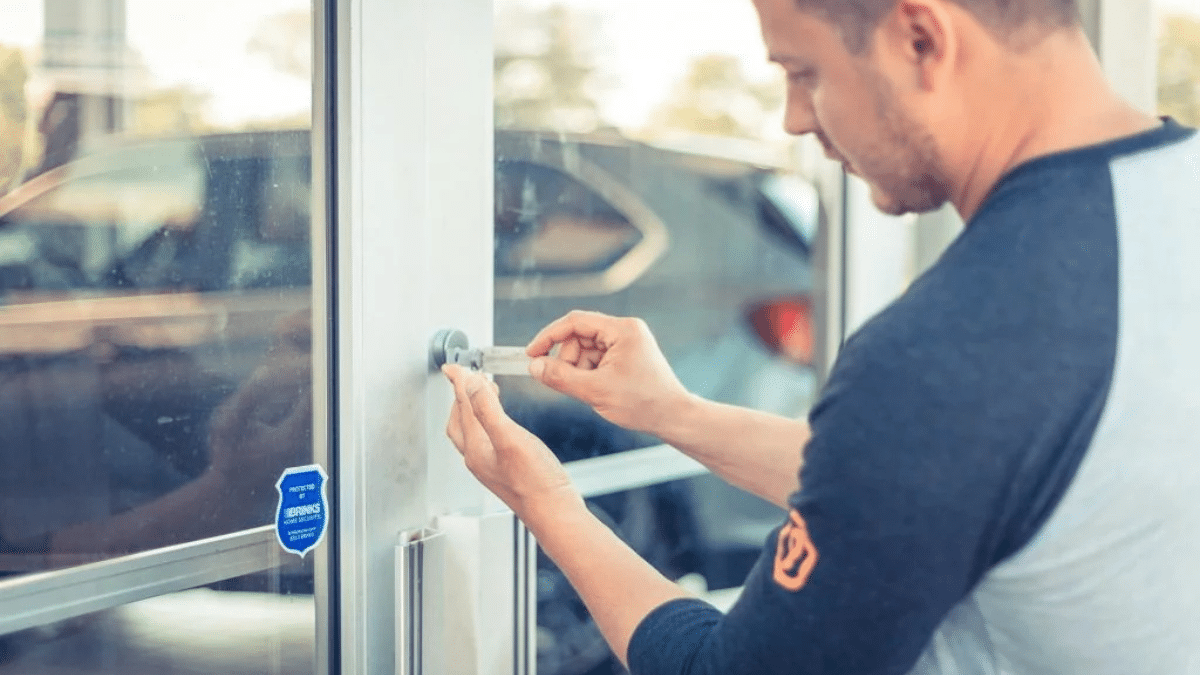
Grabbing everything you need before work or school leaves little room for double-checking your keys. A moment of distraction is often all it takes to walk out the door without them. Our technicians arrive quickly once you realize what’s happened, minimizing how long you’re stuck waiting. This situation is especially common in households with tight morning schedules. Prompt service gets your day back on track fast.
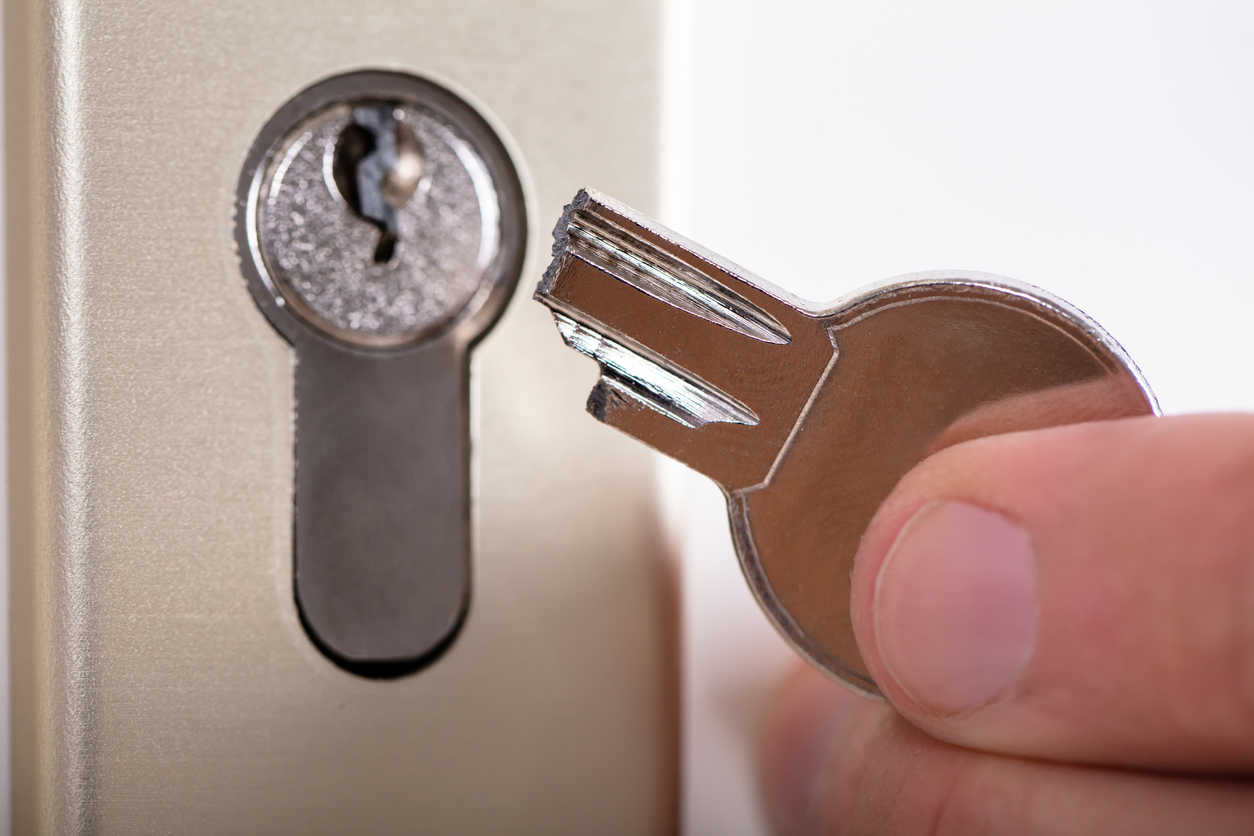
Older keys, weakened by years of bending and turning, can break off without warning inside the lock. This leaves the mechanism jammed and completely unusable until the fragment is removed. Our technicians extract broken keys carefully, avoiding any damage to the internals. This is especially common with keys that haven’t been replaced in years. A careful approach keeps the lock working afterward.
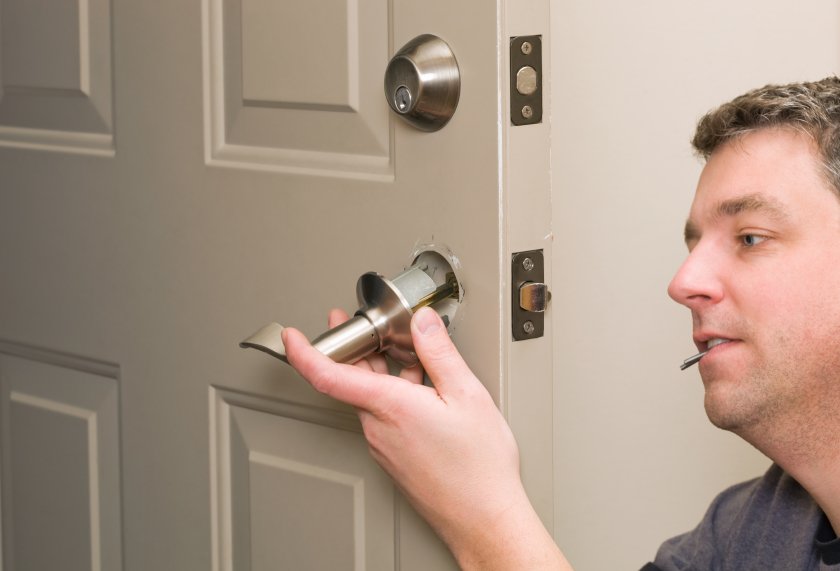
Every lock has a functional lifespan, and years of daily turning eventually take a toll on its internal parts. Stiffness, occasional sticking, or a key that needs extra wiggling are early signs of this. Our team evaluates the lock and repairs or replaces it as needed. This is especially common in homes with original, unreplaced hardware. Addressing it early prevents a sudden, inconvenient failure.
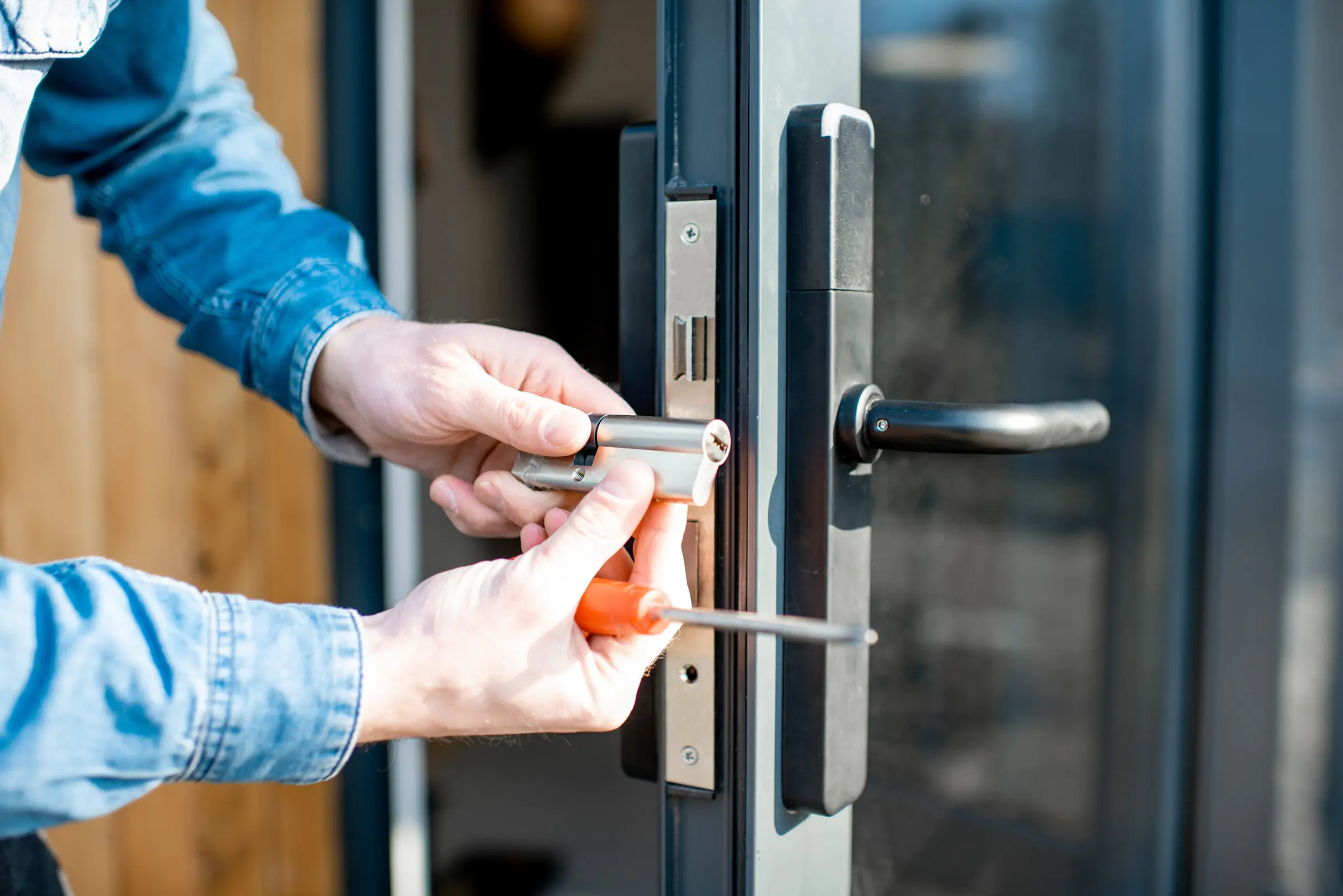
Sometimes the key isn’t the problem at all — internal cylinder components wear unevenly or shift out of place. This can prevent even a perfectly good key from turning properly. Our technicians inspect the cylinder and repair or replace it as needed. This issue often develops quietly over years without obvious warning signs. Restoring it properly ensures dependable access moving forward.
Picture this: you’ve just closed the door behind you, keys still sitting on the hallway table, and the latch has already clicked shut. That gap between realizing what happened and actually getting back inside is where most of the stress of a lockout lives. What you do in those first few minutes matters more than people realize.
Don’t force anything. The instinct to shoulder-check a door or jimmy a window with a butter knife is understandable, but it almost always makes things worse — either physically damaging the door, or leaving you with a cut or bruise to go with the inconvenience.
Check, don’t assume. Before calling anyone, do a quick lap of the house. A side door, a garage entry, or a window left cracked for airflow can sometimes solve the problem without needing help at all.
Think about timing honestly. If it’s the middle of the night, in an unfamiliar spot, or you’re with young kids, waiting around isn’t really an option — that’s when calling a locksmith who can actually show up quickly matters most.
It’s rarely one dramatic event. Most lockouts trace back to something mundane that quietly built up over time or happened in a split second of distraction.
A key gets left behind during a rushed morning. A key snaps because it’s been bent and re-bent for years without anyone noticing the wear. A lock that’s been sticking for months finally gives out entirely. Or a curious toddler turns the deadbolt from the inside without anyone realizing until the door won’t budge. None of these are particularly unusual — they’re the kind of small, ordinary moments that eventually happen to almost every homeowner at some point.
There’s a common assumption that getting locked out means a locksmith will drill the lock and you’ll need a whole new one installed. In reality, that’s usually the last resort, not the first move.
Most residential locks can be opened using picking or bypass techniques that don’t touch the door or frame at all. A trained technician carries a set of tools built for exactly this purpose and can usually tell within a minute or two which approach will work for your specific lock. Drilling only becomes necessary when a lock is too damaged, too old, or too heavily corroded for anything else to work — and even then, a good technician will explain that before doing it, not after.
Getting back inside is only half the job. If there’s an underlying reason the lockout happened, it’s worth sorting out on the same visit rather than waiting for round two.
If the lock was stiff or difficult before this happened, that’s worth repairing right then. If you’re not sure how many keys are floating around — maybe from a previous tenant, a family member, or someone who moved out — rekeying solves that uncertainty permanently. And if a key snapped off inside the cylinder, it needs to be extracted carefully, since forcing it out incorrectly can damage the lock beyond repair.
Nobody wants to go through this twice. A spare key with a neighbour you trust is genuinely one of the simplest fixes available. For households that go through this more than once, switching to a keypad or digital lock removes the “forgot the key” problem entirely, since there’s no physical object to leave behind. And if your lock has been feeling stiff or off for a while, getting it looked at before it fails completely saves you from dealing with an actual lockout down the line.
Whoever you call should ask for some form of ID or proof you live there before helping you inside. It might feel like a strange thing to want in a stressful moment, but it’s actually one of the more reassuring parts of the process — it means the person on the other side of that door check is taking your home’s security seriously, not just rushing to get the job done.
Getting locked out is one of those situations that feels much bigger in the moment than it actually is. With the right help — someone who shows up quickly, opens the door without wrecking it, and sorts out whatever caused the problem in the first place — you’re usually back to your normal day faster than you’d expect, often with a more reliable lock than you had that morning.
Same-Day Appointments Available

Check any other doors or windows for a safe way in, and avoid forcing the main door. If nothing else works, call a locksmith who can respond quickly and open it without damage.
In most cases, no. Non-destructive entry techniques are used first, and drilling is only considered when the lock is too worn or damaged for any other method to work.
If the key feels fine on other doors or looks undamaged but still won't turn, the issue is usually inside the lock rather than the key.
Yes, a technician can extract the broken piece carefully without damaging the internal mechanism, and the lock can usually still be used afterward.
It's a common and sensible precaution, since there's no reliable way to know how many keys exist from previous occupants.
